
Trump, Xi and Putin Meet Thursday. First, Manila Had Its Say.
Trump’s Asia Week: One Handshake Deal, Mass Protests, and a Three-Way Summit with No Precedent
The night before the meeting, a late-night snack arrived for the American delegation in Manila: Jollibee fried chicken, sent by the Philippine president’s own staff. President Ferdinand Marcos Jr. later joked that the chain had overtaken KFC in the United States.
The next day, President Donald Trump stood in Malacañang Palace and announced what he called the biggest trade deal the two countries had made. It happened “very quickly,” he said, and it was not even on the agenda.
The details are thin. Trump said it covers farmers and energy. The Philippine ambassador said nothing has been signed. The Philippines still faces an extra 12.5% US tariff, in place since July, and no change to it has been confirmed.
Outside the palace gates, the mood was different. So, what exactly did this week buy, and what comes next?
The summit with no precedent
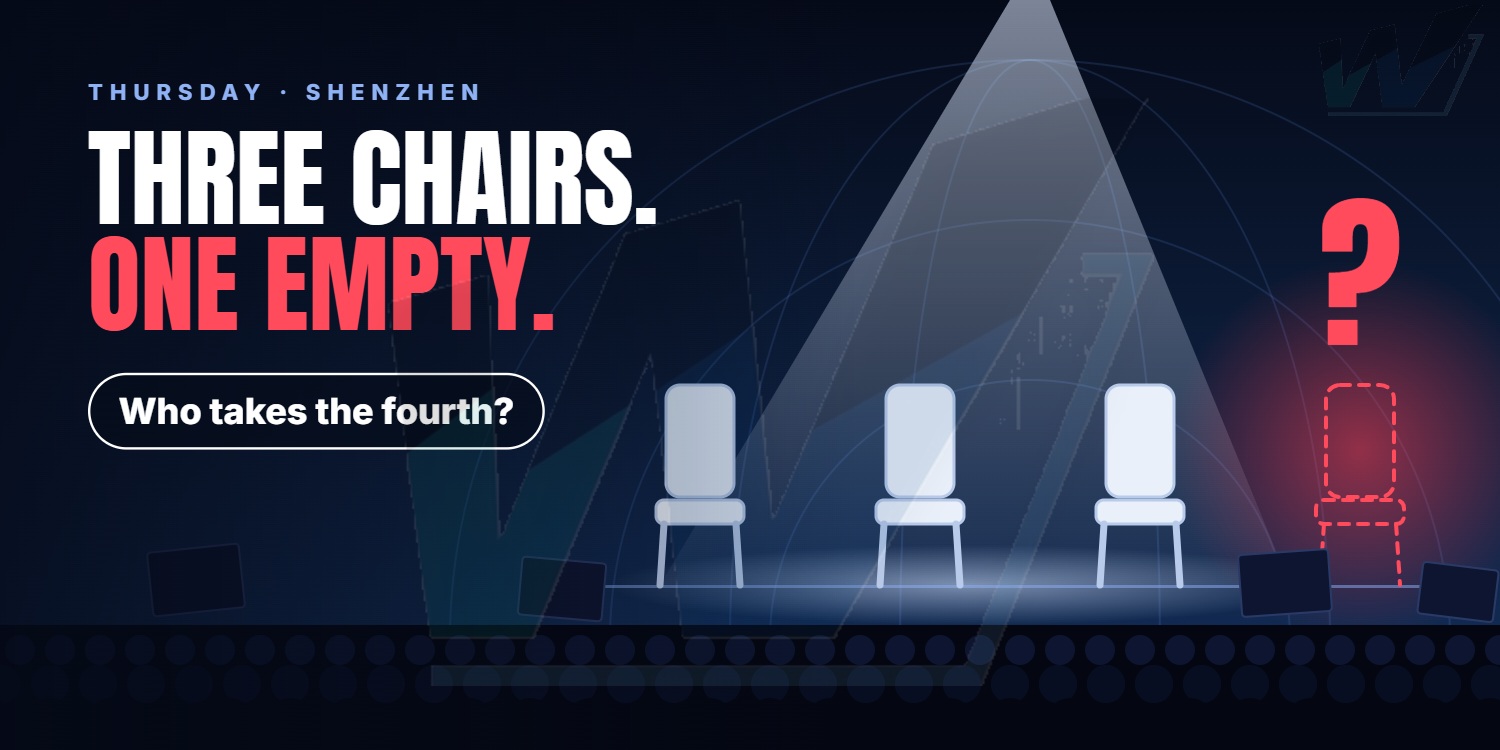
On Thursday at 2:30 p.m. local time, Trump is due to sit down in Shenzhen with Chinese President Xi Jinping and Russian President Vladimir Putin. Beijing, the White House and the Kremlin have all confirmed it, and it would be the first meeting of the three together.
The White House says nuclear proliferation will be the focus, including what comes after the New START treaty, which expired in February. Iran and trade are also expected to come up. A US official said Ukraine is unlikely to be discussed, although Trump has said it might be.
A fourth chair is a question mark. Trump said North Korean leader Kim Jong Un “may come” but that this is “up to President Xi.” Pyongyang has not responded, and a US official said no North Korea engagement is planned for the trip. Trump and Kim last met in 2019.
The street outside the summit
In Manila, protests have run for months over Pax Silica, a US-backed AI and supply-chain initiative that includes a proposed data-center hub in New Clark City. Marcos has said the project would bring quality jobs and strengthen the country’s place in the tech economy. Protesters raise concerns about water, electricity, the environment, sovereignty and indigenous communities. Amnesty International has criticized police handling of the protests. Reports put arrests at more than 300 on Sunday.
The distraction at home
Back in Washington, the Nvidia story is competing for attention. CEO Jensen Huang resigned on November 12 after he acknowledged extramarital affairs. Reporting says U.S. intelligence officials suspect one woman he was involved with of gathering information for Beijing. That claim is unproven, no evidence has been made public, and China calls it a smear. Nvidia’s board says it has no reason to believe national security or company secrets were compromised, and an independent investigation is under way.
The fallout has reached the cabinet. Treasury Secretary Scott Bessent publicly blamed the Commerce Department, led by Howard Lutnick, for being slow to restrict chip exports to a company linked to the story. Trump said he is not considering replacing Lutnick. A White House official said the Nvidia matter should not shape the talks in China.
Why it matters
Three leaders with very different goals will be in one room on a day when arms-control treaties are lapsing and wars are in the headlines. Whether Thursday ends in agreement or in a photograph, the Manila week has already shown how announcements and ground reality can diverge.